Journal 02
When Curriculum Begins with a Pause

After the school holiday, I began resetting the classroom. On a shelf, I noticed a wilting plant, its leaves hanging over the sides of the pot. I was about to water it, but then I paused. As a plant person, I knew that with some water, it would probably be standing upright again by the next day. But would the children know that? Would they even notice this plant when they returned?
So instead, I brought it to a table, placed some paper and drawing materials beside it, and continued setting up the rest of the classroom.
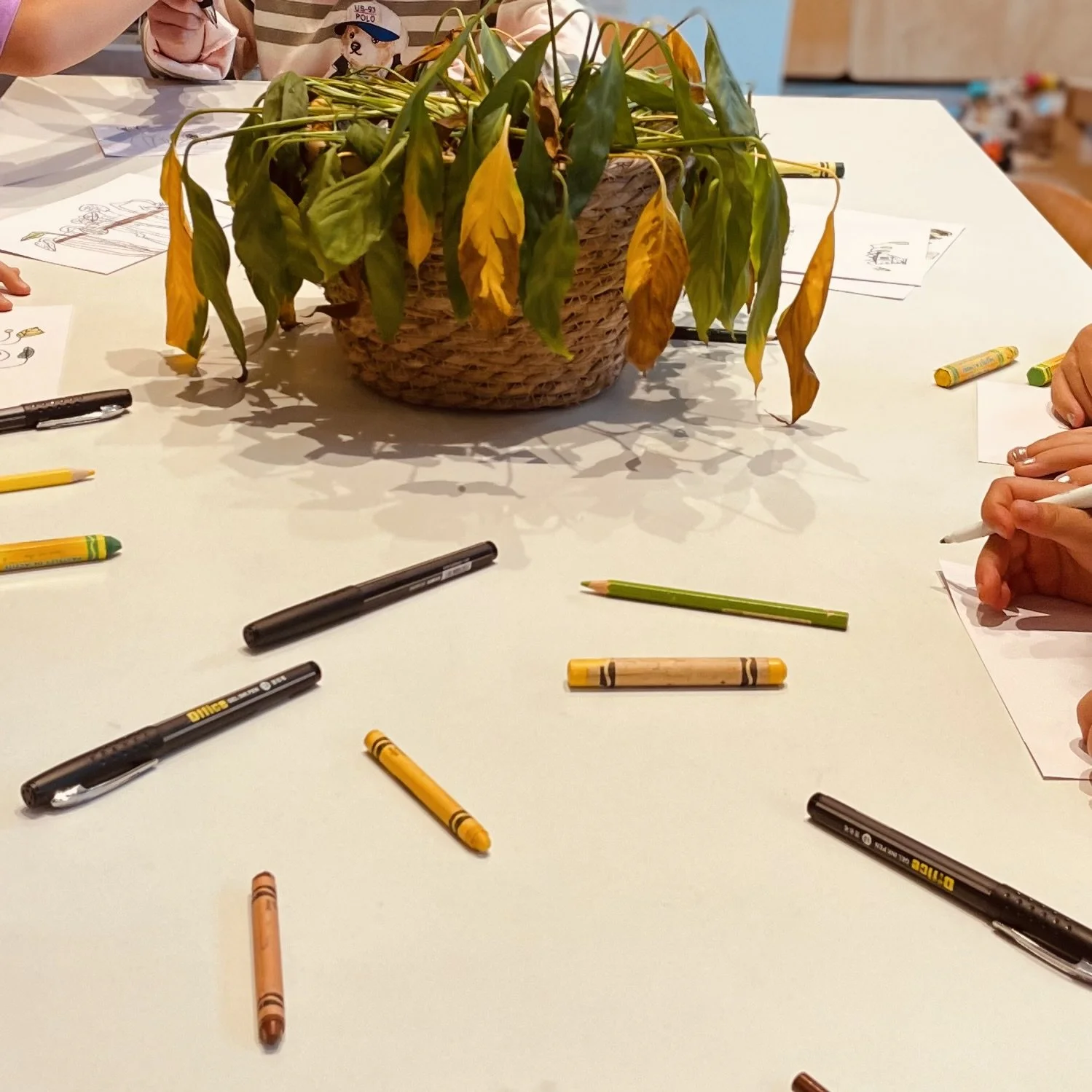
When the children came back inside after outdoor play, they were quickly drawn to the plant. I was not surprised because they were so used to seeing healthy, well-cared-for plants in the classroom, but this one looked different.
“What happened to the plant?” one child asked in shock.
The children all looked at me, waiting for an explanation.
“What do you think happened?” I asked.
“I think it is dying.”
“Yeah, it’s dead. Nobody watered it during the holiday.”
“Maybe it is just thirsty.”
“No, its leaves are all drooping. It looks dead.”
“Let’s give it some water,” one girl suggested. Even though she was the one who thought the plant might already be dead, she still wanted to try. She fetched some water and carefully poured it into the pot.
I asked the children what they thought might happen by the next day, now that the plant had been watered.
“I think it will still be dead.”
“I think it will come alive, but it will stay in this shape forever.”
“That’s right. It won’t stand up again.”
“Only magic could make that happen.”
I suggested that we capture what the plant looked like that day through drawing. The following day, we could compare our drawings with the plant and see whether it had changed. They loved the idea and got straight to work.
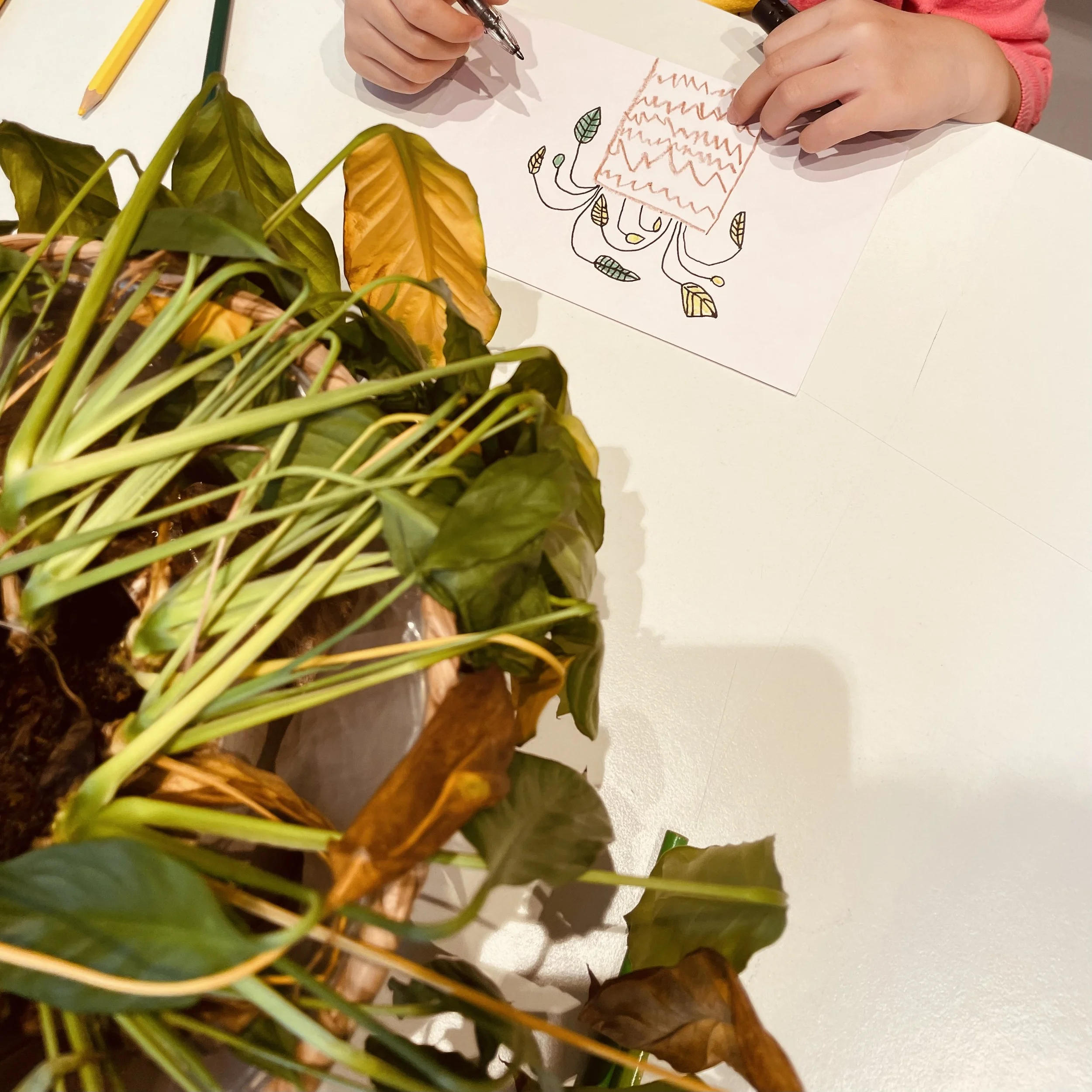
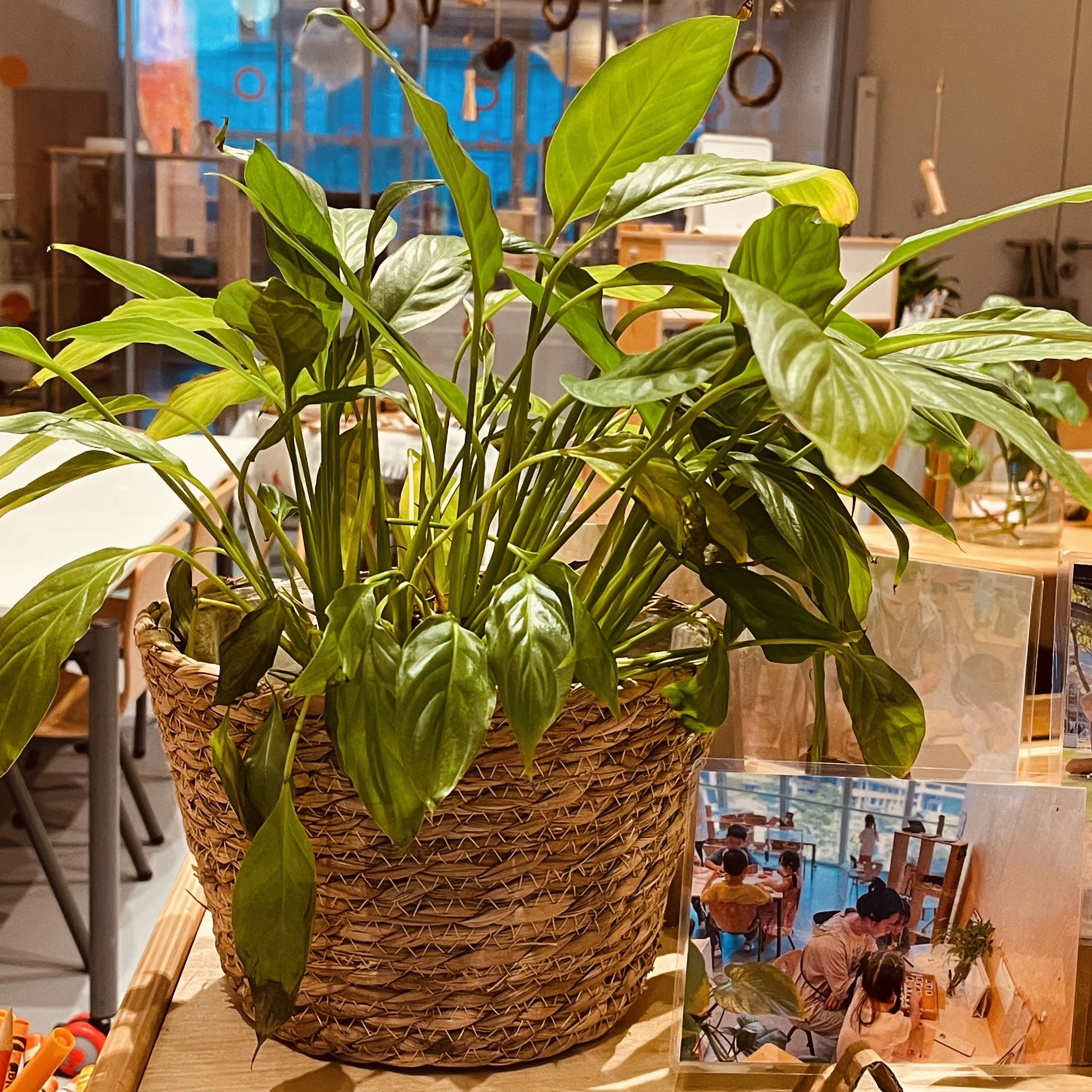
The next morning, the “magic” had happened. The plant was standing upright again as I had expected, but I wondered how the children would respond to the change. I brought it back to the same table and again laid out paper and drawing materials. This time, I also placed the children’s drawings from the previous day beside the plant. Then I waited for the conversation to continue.
As soon as they saw the plant, the children were amazed.
“It’s standing up again!”
“Yeah, it’s not dead!”
“The water was working!”
I still clearly remember how excited they were to see the plant standing upright again, and how content they seemed as they began drawing it. This time, beneath their pens, the leaves stood proudly upright.
This small moment reminded me that curriculum does not always begin with something we have planned. Sometimes, it begins with something we might otherwise have fixed or simply passed by. If I had watered the plant as soon as I saw it, the children might never have known that anything had happened. That deliberate pause gave them the chance to notice, share their theories, make predictions and return to their ideas the following day.
This does not mean that every unexpected moment needs to develop into a longer enquiry. What matters is that we remain open to the possibility and allow the children’s responses to help us decide what, if anything, should happen next.
For me, this openness is part of embracing an emergent curriculum: not always looking for something new to introduce, but slowing down enough to notice what is already there and leaving space for children to wonder.
Joanna, July 2026